
The evolution of casinos A journey through time and chance
The Origins of Gambling
The concept of gambling can be traced back to ancient civilizations. Early forms of betting were practiced in societies like the Mesopotamians, where games of chance involved the use of dice made from materials such as bone. These early activities laid the groundwork for the more structured gambling establishments we recognize today. As cultures evolved, so did the methods and games associated with chance, leading to the development of rudimentary betting systems. In modern times, you can explore premier options by visiting https://www.belleswillring.com/, highlighting notable venues worldwide.
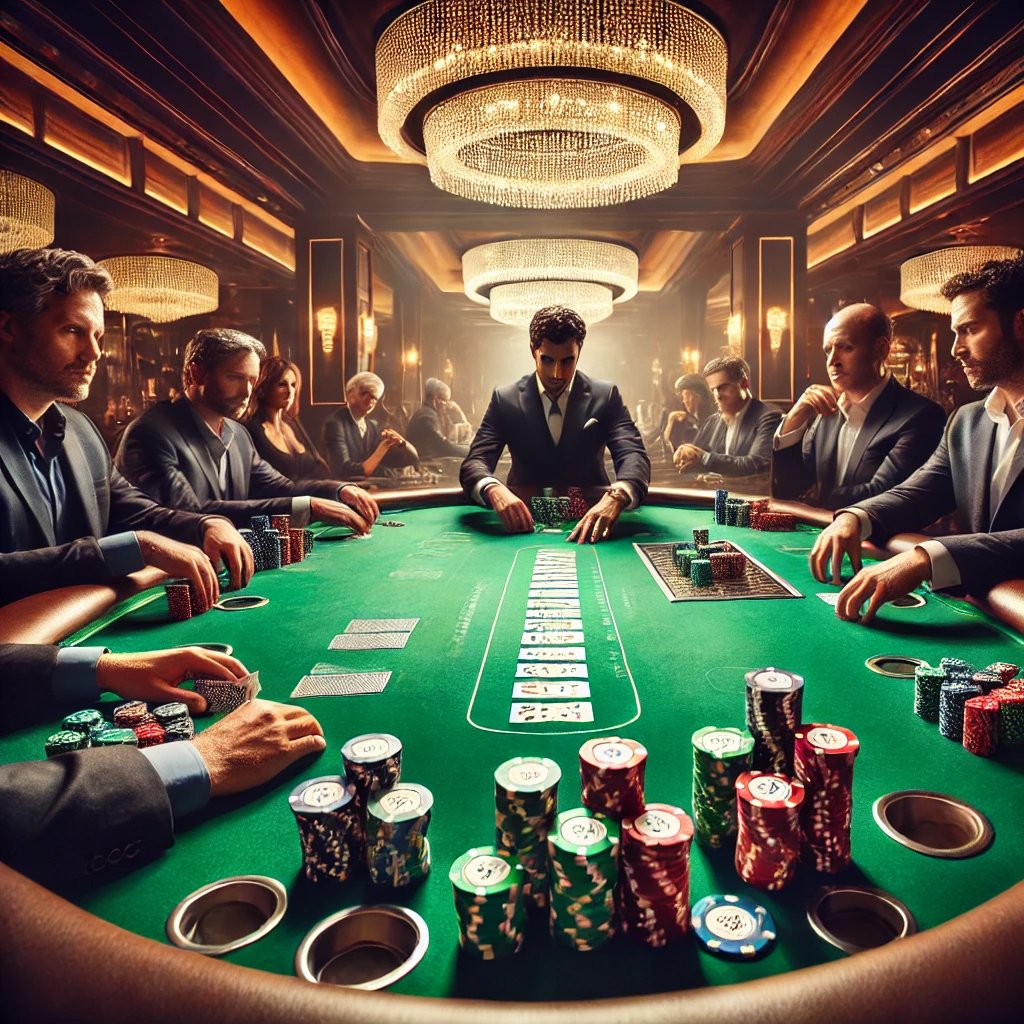
In ancient Rome, gambling was widely accepted, with citizens engaging in various games, from dice games to betting on gladiatorial contests. The popularity of these activities not only entertained the masses but also highlighted the human fascination with luck and risk. This fascination persisted through the ages, ultimately giving rise to establishments designed specifically for gambling.
The Rise of Formal Casinos
The first formal casinos began to emerge in Europe during the 17th century. The Venice Casino, established in 1638, is often cited as one of the earliest examples of a dedicated gambling venue. These early casinos served as social hubs where people gathered not just to play games but to socialize and enjoy entertainment. This dual purpose helped solidify the concept of casinos as places of leisure and luxury.
As the popularity of casinos grew, so did the diversity of games offered. From card games like baccarat and poker to roulette and other betting games, the variety catered to different tastes and preferences. This expansion marked a significant evolution in the gambling industry, as casinos started to attract affluent clients who were eager to indulge in the high-stakes world of chance.
The American Casino Boom
The 20th century saw a remarkable transformation in the casino landscape, particularly in the United States. The legalization of gambling in Nevada in the 1930s paved the way for Las Vegas to become the epicenter of casino entertainment. The iconic Las Vegas Strip emerged, showcasing luxurious resorts and casinos that redefined the gambling experience. This era introduced extravagant themes, elaborate shows, and a vibrant nightlife that attracted millions of visitors.
As tourism boomed, so did the competition among casinos, leading to innovations in gaming technology and customer service. The introduction of slot machines and electronic gaming made gambling more accessible and appealing to a broader audience. This evolution signified a pivotal moment where casinos transformed from exclusive retreats to mainstream entertainment venues.
The Digital Transformation
The advent of the internet in the late 20th century revolutionized the gambling industry once again. Online casinos emerged, providing players with the ability to gamble from the comfort of their homes. This shift not only expanded the reach of casino games but also introduced new forms of gambling, including live dealer games and mobile gaming applications.
As online platforms evolved, they adopted advanced security measures and user-friendly interfaces, enhancing the overall gaming experience. The rise of online gambling also created a competitive landscape, with casinos vying for customers through promotions and bonuses, further enriching the gambling ecosystem.

Modern Casinos and the Future
Today, casinos continue to evolve, blending traditional gaming experiences with modern technology. Innovations such as virtual reality gaming, cryptocurrency transactions, and augmented reality are setting the stage for the future of gambling. These advancements aim to provide immersive experiences that attract new generations of players while retaining the classic elements that have defined casinos for centuries.
In this constantly changing environment, casinos remain a vital part of the entertainment industry, adapting to trends and preferences to meet the needs of their clientele. As we move forward, the journey of casinos through time and chance promises to be as dynamic as the games played within their walls.

